
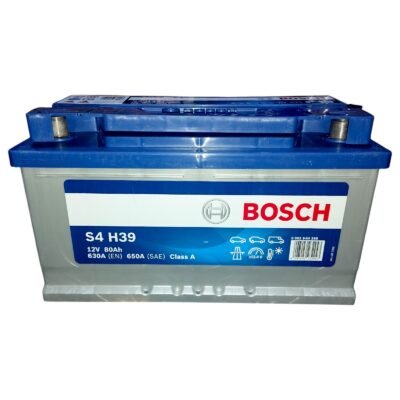

Why Your Mercedes-Benz Needs an OEM Battery
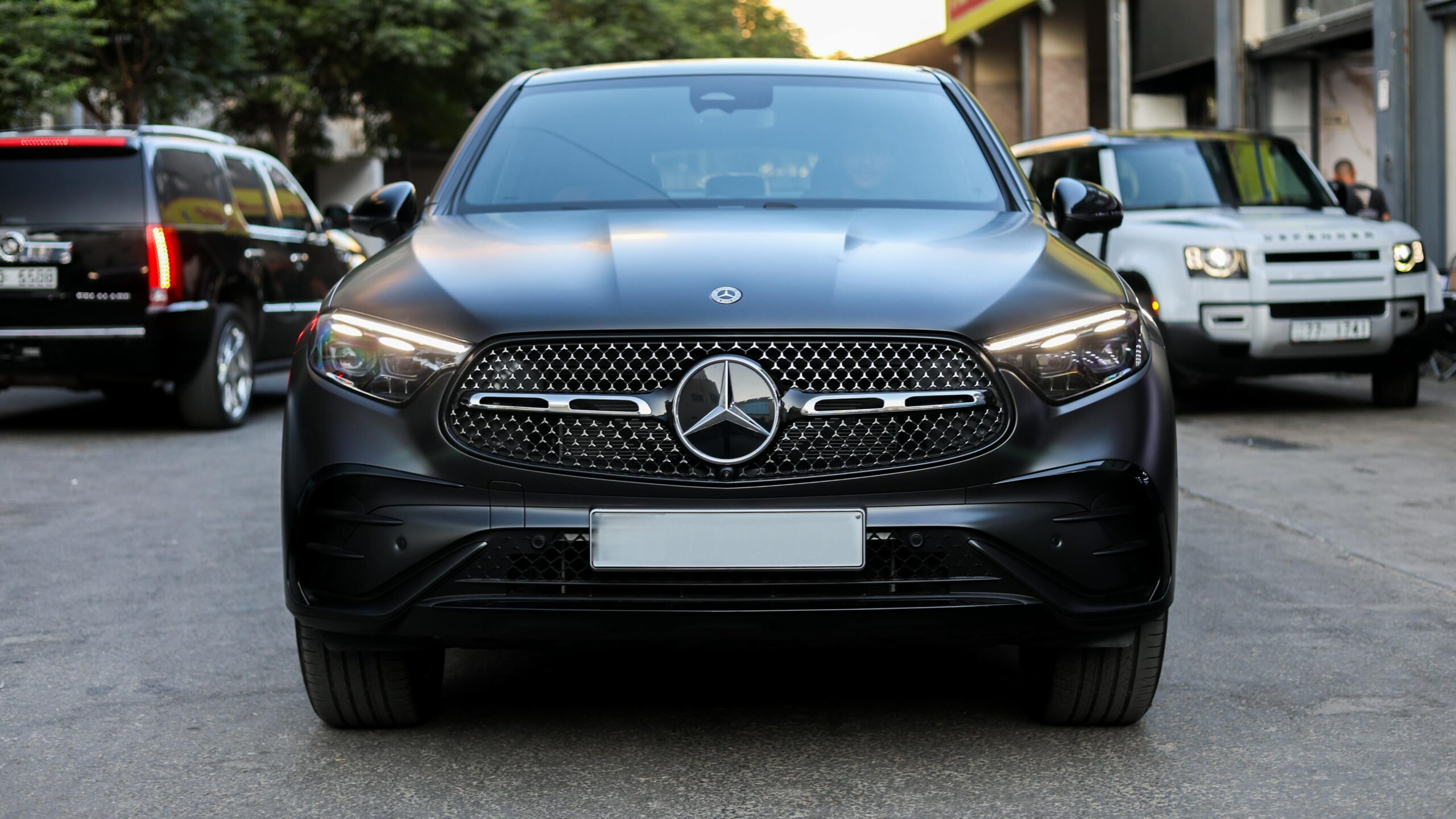
Why Your Mercedes-Benz Needs an OEM Battery and Why It Matters Where You Buy It
A Mercedes-Benz is engineered as a complete electrical and mechanical system, not as a loose collection of parts. That is why the battery fitted to your vehicle is not just a box that stores power. It is a carefully specified component designed to work with the vehicle’s energy management system, charging profile, onboard electronics, start-stop demands, comfort functions, and long-term reliability expectations. Choosing an OEM battery is not simply about brand preference. It is about protecting performance, preserving system stability, and fitting the correct technology for the way your Mercedes-Benz was built.
OEM Battery Means Correct Engineering, Not Just Correct Size
Many motorists understandably focus on whether a battery physically fits in the tray and whether the engine starts. For a Mercedes-Benz, that is only the beginning. The correct battery must also match the required voltage stability, reserve capacity, cold cranking performance, cycle endurance, terminal configuration, and battery management compatibility expected by the vehicle. A battery can fit physically and still be wrong technically.
Modern Mercedes-Benz models often carry a heavy electrical load even before the engine starts. Systems such as intelligent charging, ECO start-stop, electronic steering support, advanced climate control, digital instrument clusters, seat memory, radar sensors, parking systems, and multiple control modules all depend on clean and stable power. An OEM battery is selected with these realities in mind. It is built to deliver not only starting power, but also controlled, dependable performance across the full electrical ecosystem of the vehicle.
What Makes an OEM Mercedes-Benz Battery Different
OEM batteries are developed to meet manufacturer-level standards for specific vehicles or groups of vehicles. They are not generic “close enough” replacements. In the Mercedes-Benz world, this typically means the battery chemistry, capacity, cranking power, casing layout, venting design, and performance characteristics are chosen to suit the intended model architecture.
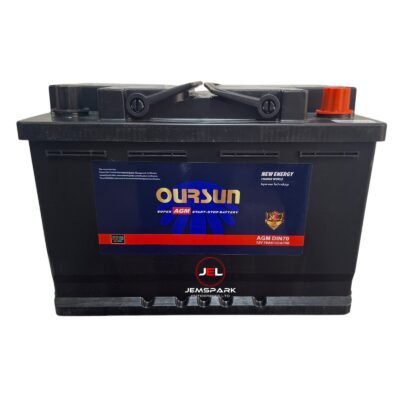
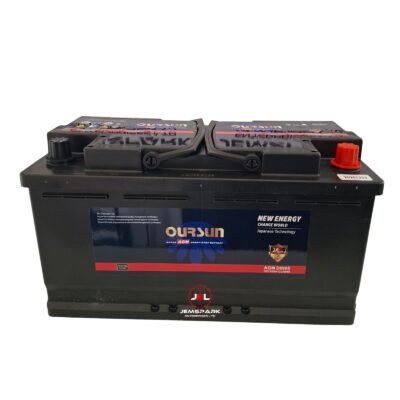
Depending on the vehicle, the battery may be a standard maintenance-free flooded battery, an EFB battery, or an AGM battery. This distinction matters. Mercedes-Benz vehicles with start-stop systems or higher power demands frequently require AGM or EFB technology because those batteries are better suited to repeated cycling, partial state-of-charge operation, and deeper electrical demand. Installing a standard battery where AGM or EFB is required is a downgrade in technology, not a harmless substitute.
- Correct battery chemistry: The right technology supports how the car charges, rests, and uses power throughout daily driving.
- Vehicle-specific endurance: OEM batteries are chosen with the electrical demand profile of the vehicle in mind, not only the initial start-up requirement.
- Stable voltage delivery: Sensitive control modules and comfort electronics benefit from a battery built to maintain reliable operating conditions.
- Better compatibility: Correct OEM specification reduces the risk of warning lights, charging irregularities, and shortened battery life.
The Risks of Fitting a Non-Recommended Battery
One of the most common mistakes in premium vehicle battery replacement is assuming that any battery with roughly the same dimensions and voltage will do the job. In reality, a non-recommended battery can create problems that range from mild inconvenience to persistent electrical faults and premature component wear.
1. Reduced Battery Life
If the installed battery is not built for the charging strategy of your Mercedes-Benz, it may spend much of its life undercharged, overworked, or repeatedly cycled beyond its design limits. This often causes early weakening, poor cranking, and a shorter replacement interval.
2. Electrical System Instability
Mercedes-Benz vehicles rely on many interconnected electronic systems. An unsuitable battery may trigger irregular voltage supply, causing intermittent issues such as warning messages, dimming, reset settings, module communication faults, or unpredictable behaviour in comfort and convenience systems.
3. Start-Stop Malfunction
Where the vehicle is designed for start-stop operation, an incorrect battery may prevent the feature from working properly or place excessive strain on the charging system. A standard battery cannot reliably replace an AGM or EFB battery in a vehicle designed around higher cycle durability.
4. Charging and Sensor Conflicts
Some Mercedes-Benz models are sensitive to battery specification because the charging system is designed to manage energy efficiently. A mismatch can lead to poor charging behaviour, battery drain complaints, or repeated low-voltage warnings.
5. Risk to Vehicle Electronics
Modern control units are expensive. While a wrong battery does not automatically damage them immediately, poor voltage control and repeated low-power events increase stress on the electrical network. Over time, this can contribute to more expensive diagnosis and repairs than the cost saved on buying a cheaper battery.
What Technology Is Used in Manufacturing OEM Batteries
The term OEM battery is backed by real engineering, not just branding. While exact designs differ by manufacturer and application, most OEM batteries used in premium vehicles rely on advanced lead-acid technologies refined for durability, power consistency, vibration resistance, and efficient charge acceptance.
AGM Technology
Absorbent Glass Mat batteries use fine glass fibre separators to hold the electrolyte in place. This improves vibration resistance, charge acceptance, and deep cycling performance. AGM batteries are especially suitable for Mercedes-Benz models with start-stop systems and high accessory demand.
EFB Technology
Enhanced Flooded Batteries are an upgrade over conventional flooded batteries. They are designed for improved cycle life and better performance in vehicles where the battery is worked harder than a traditional setup.
Advanced Grid Alloys
OEM batteries often use improved lead-calcium alloy structures that help reduce water loss, resist corrosion, and maintain performance over time under demanding operating conditions.
Precision Manufacturing
High manufacturing tolerance, reinforced plate construction, controlled separator design, and optimized venting all contribute to stable, repeatable battery performance that matches manufacturer expectations.
In practical terms, the right OEM battery technology gives your Mercedes-Benz better resilience under daily use, whether that means repeated short trips, stop-start traffic, accessory-heavy driving, or long standby periods between drives. This is why technology choice matters just as much as amp-hour rating.
Why Buy Your Mercedes-Benz OEM Battery from Jemspark
The battery itself matters, but so does the source. Buying the right Mercedes-Benz battery from a specialist helps reduce the risk of incorrect application, poor storage history, or a mismatch between the product and your vehicle requirements. At Jemspark, the goal is not merely to sell a battery. It is to help you fit the right one with confidence.
- Correct battery guidance: Jemspark focuses on matching the battery to your vehicle’s real requirements rather than pushing a one-size-fits-all replacement.
- OEM-focused options: For Mercedes-Benz owners, that means access to batteries suited to premium vehicle standards and modern electrical systems.
- Fast delivery and fitment support: Convenience matters when a battery fails unexpectedly or when you want professional replacement without unnecessary delays.
- Vehicle-parts experience: A specialist parts seller understands that battery selection is about specification, reliability, and application, not just price.
- Peace of mind: When you buy from a trusted local source, it is easier to confirm fitment details, battery type, and suitability before installation.
Final Word
Your Mercedes-Benz needs an OEM battery because the vehicle was designed around precise electrical requirements. The correct battery technology supports smoother starts, stronger reserve power, stable electronics, improved durability, and proper compatibility with the systems built into the car. Fitting a non-recommended battery may seem like a cheaper decision in the moment, but it often introduces hidden costs through poor performance, shorter life, and unnecessary electrical complications.
When it is time to replace your battery, choosing an OEM-spec option from Jemspark is the smarter route. You protect the standards your Mercedes-Benz was built to deliver, and you reduce the risk that comes with using a battery that was never truly meant for the vehicle in the first place.
Tip: If you have a specific Mercedes-Benz model, year, or engine variant, you can also tailor this article further with exact battery type guidance for that vehicle.



Secure Payment: Lipa na M-Pesa
