Need help? Call us: (+254) 791276272 or info@jemspark.co.ke

Items on sale this week
Top picks this week. Up to 10% off the best selling products.
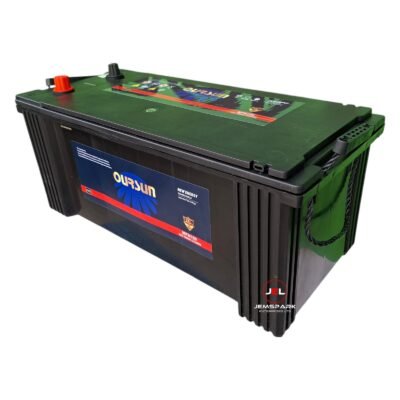
Oursun MFN150 N150 12V 150Ah 950CCA Maintenance-Free Car Battery
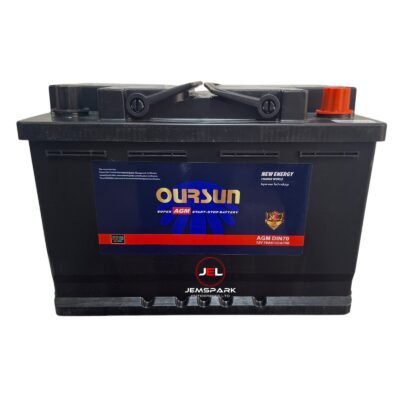
Oursun AGM DIN70 (LN3/H6) 12V 70Ah 750CCA Start-Stop Car Battery
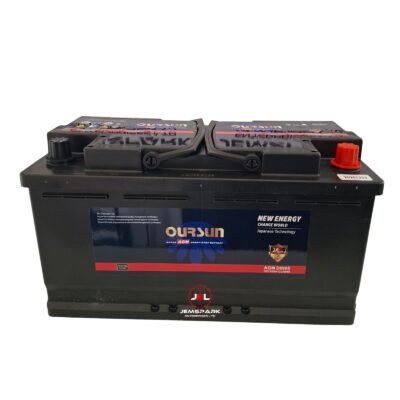
Oursun AGM DIN95 (LN5/H8) 12V 95Ah 950CCA Start-Stop Car Battery
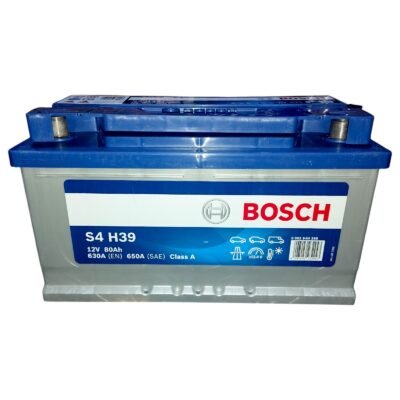
Bosch S4 H39 DIN80 12V 80Ah 630A Maintenance-Free Car Battery
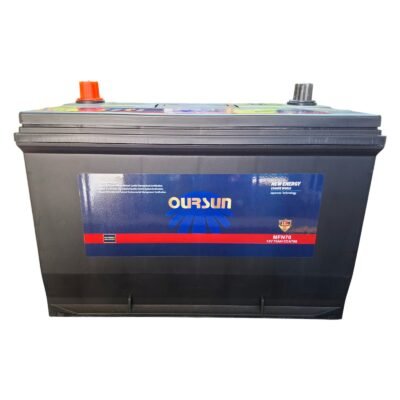
Oursun MFN70 12V 70Ah 700CCA Maintenance-Free Car Battery

Battery Fitment Guide
How to Choose the Correct Car Battery
Choosing the correct battery for your vehicle is critical for performance, safety, and battery lifespan. This battery fitment guide helps you understand how to select the right car battery based on your vehicle’s specifications, driving needs, and electrical requirements.
Why Correct Battery Fitment Matters
A wrongly fitted battery can lead to:
- Starting problems or complete failure to start
- Damage to the vehicle’s electrical system
- Reduced battery life
- Dashboard error messages (especially in start-stop vehicles)
Always ensure your battery matches the manufacturer’s specifications.
Key Factors to Consider When Choosing a Car Battery
1. Battery Size & Dimensions (DIN / JIS / BCI)
Car batteries come in standardized sizes such as DIN (European), JIS (Japanese), and BCI (American). The battery must fit perfectly in the battery tray to avoid movement and cable strain.
Always check:
- Length
- Width
- Height
- Terminal position (left or right)
2. Battery Type
Different vehicles require different battery technologies:
- Standard Maintenance-Free (SMF)
For older vehicles without start-stop systems. - EFB (Enhanced Flooded Battery)
Designed for vehicles with basic start-stop systems. - AGM (Absorbent Glass Mat)
Required for advanced start-stop vehicles and cars with high electrical demand.
Important: Never downgrade from AGM to EFB or SMF.
3. Battery Capacity (Ah – Ampere Hour)
Battery capacity determines how long the battery can supply power.
- Smaller engines: 35Ah – 55Ah
- Medium vehicles: 60Ah – 75Ah
- SUVs, luxury & diesel vehicles: 80Ah – 105Ah
Always follow the manufacturer’s recommended Ah rating or slightly higher.
4. Cold Cranking Amps (CCA)
CCA measures starting power, especially in cold conditions.
- Higher CCA = better starting performance
- Diesel and start-stop vehicles require higher CCA
Never choose a battery with lower CCA than recommended.
5. Vehicle Start-Stop System
If your vehicle has a start-stop function:
- EFB vehicles must use EFB or AGM
- AGM vehicles must use AGM only
Incorrect battery type can disable the start-stop system or cause warning lights.
6. Battery Registration (Modern Vehicles)
Some modern vehicles (BMW, VW, Audi, Mercedes, Land Rover) require battery registration after replacement.
Battery registration:
- Resets charging parameters
- Extends battery life
- Prevents system errors
How to Find the Correct Battery for Your Car
You can determine the correct battery by:
- Vehicle make, model, year, and engine size
- Checking the original battery label
- Using a battery fitment guide or compatibility checker
- Consulting a professional battery supplier
Common Battery Fitment Mistakes to Avoid
- Installing the wrong battery size
- Using SMF instead of EFB or AGM
- Ignoring terminal orientation
- Choosing lower CCA than required
- Skipping battery registration
Need Help Choosing the Right Battery?
If you’re unsure which battery fits your vehicle, contact a trusted battery specialist. Providing your car details ensures accurate fitment and long-lasting performance.
Contacts:
Call/Whatsapp: +254 791276272

About
Jemspark is a Kenyan online store specialising in genuine car batteries.
We focus on expert advice, competitive pricing, fast and reliable delivery across Kenya.
Secure Payment: Lipa na M-Pesa

Contact Us
Call/WhatsApp:
+254 791276272
Monday – Friday: 8:30-18:00
Saturday: 8:30 – 18:00
Customer Service
Copyright 2026 © Jemspark Enterprises LTD. All rights reserved.