





Car Battery Maintenance Guide
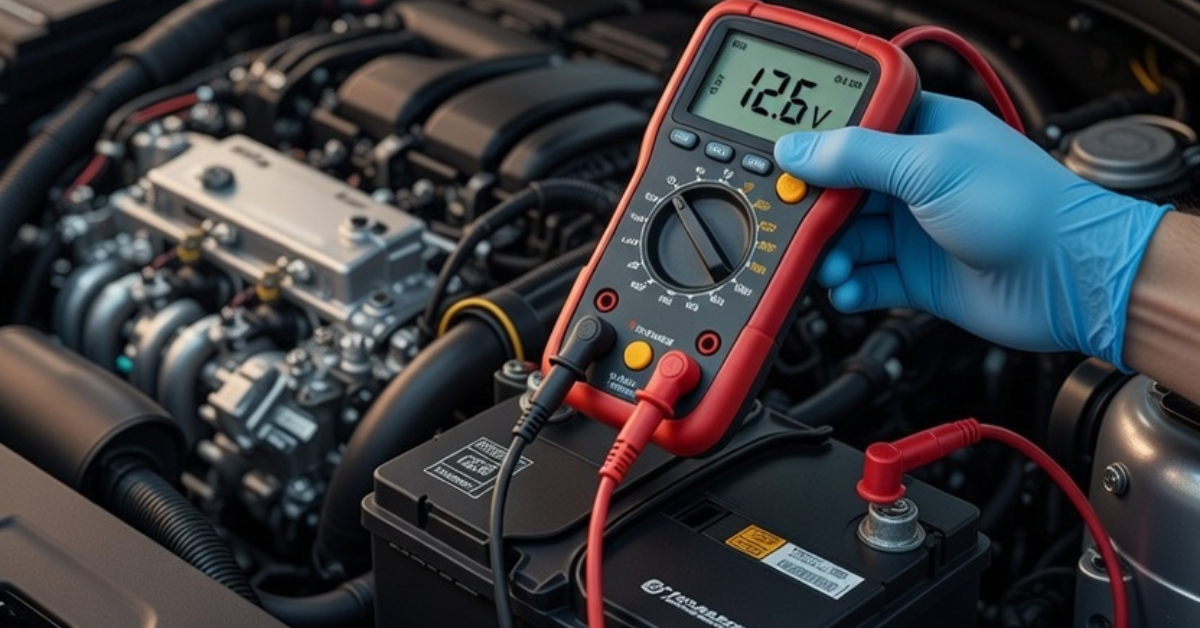
Why Your Car Battery Dies: The Science of Maintenance
Most drivers don’t think about their car battery until the engine fails to turn over on a busy morning. However, understanding a few basic principles of battery chemistry can save you from expensive replacements and the frustration of being stranded.
The Gold Standard: 12.6V to 12.8V
A common misconception is that a “12-volt” battery is healthy at 12.0V. In reality, a lead-acid battery at 12.0V is almost 75% discharged.
For peak performance, your battery’s resting voltage (measured when the engine is off) should stay between 12.6V and 12.8V.
| Voltage (V) | State of Charge (%) | Battery Status |
| 12.7V – 12.8V | 100% | Perfect / Fully Charged |
| 12.5V – 12.6V | 75% – 90% | Good / Healthy |
| 12.2V – 12.4V | 50% – 70% | Weak / Charging Required |
| 12.0V – 12.1V | 25% | Discharged / Risk of Sulfation |
| 11.8V or below | 0% | Dead / Potential Internal Damage |
Note: For the most accurate reading, check the voltage after the car has been sitting for at least 4 hours.
The Silent Killer: Sulfation
Why does a battery die if it stays under-charged? The answer lies in a process called sulfation.
A lead-acid battery works through a chemical reaction between lead plates and sulfuric acid. When the battery discharges, small sulfate crystals form on the plates. This is normal. When you drive, the alternator recharges the battery, turning those crystals back into liquid acid.
The Problem: If the battery stays below 12.4V for too long, those soft crystals harden and become permanent. They coat the lead plates like a layer of plastic, creating a physical barrier. Once this happens, the battery can no longer accept a charge or deliver enough power to start the car. This is why a battery that “looks” okay on a voltmeter might still fail to start your engine.
The 20-Minute Rule: Keep the Charge High
If you aren’t using your vehicle for a daily commute, you must actively manage its charge. Modern cars have “parasitic draws” small amounts of power used by the clock, alarm, and computer systems—that slowly drain the battery.
To counteract this, run your engine for at least 20 to 30 minutes once a week.
While a short drive is more effective because the alternator produces more power at higher RPMs, letting the car run while parked is far better than letting it sit idle for weeks. This 20-minute window gives the alternator enough time to:
- Replace the massive energy burst used to start the engine.
- Push a “saturation charge” into the plates to prevent crystals from hardening.
Quick Maintenance Checklist
| Task | Frequency | Target |
| Voltage Check | Monthly | 12.6V or higher |
| Run Engine | Weekly | 20–30 Minutes |
| Terminal Cleaning | Every 6 Months | Remove white “powder” (corrosion) |
Taking a few minutes to check your battery voltage today can save you hours of frustration tomorrow. A well-maintained battery is the heart of your vehicle’s reliability.
If you are interested in a deeper dive into the chemical science and engineering behind battery technology, we recommend exploring Battery University. It is an excellent independent resource for understanding everything from electrochemical states to advanced charging cycles.
Contuct us for more Have questions about your car’s electrical system or need a professional health check? Visit: jemspark.co.ke
Phone: 0791276272
Posts Widget
-
1

-
2

-
3

-
4


Secure Payment: Lipa na M-Pesa
