Need help? Call us: (+254) 791276272 or info@jemspark.co.ke

Items on sale this week
Top picks this week. Up to 10% off the best selling products.
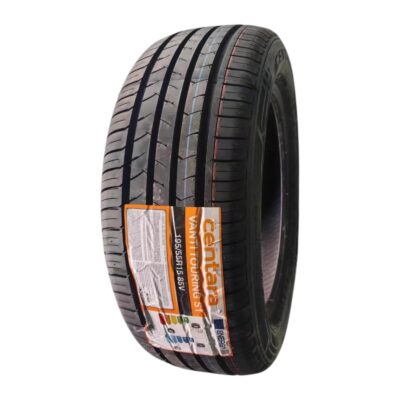
Centara Vanti Touring S1 195/55R15 85V
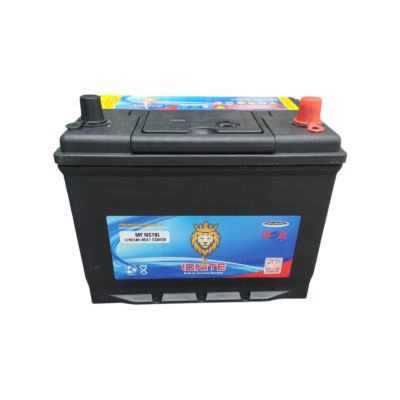
IGNITE NS70L MF 65Ah 600CCA battery
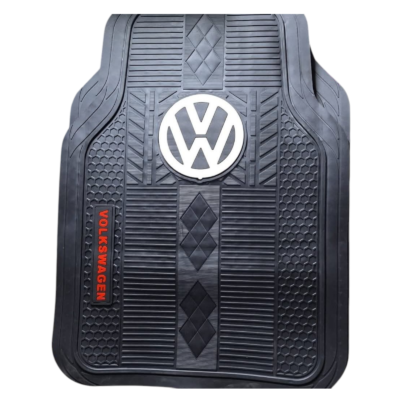
VW Heavy-Duty All-Weather Rubber Car Mats
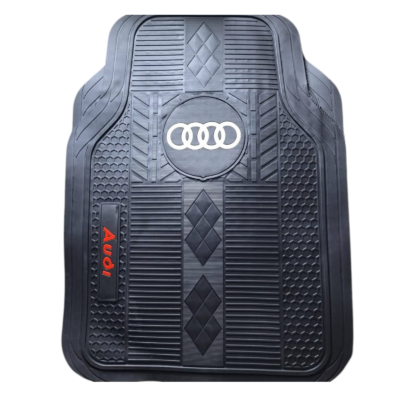
Audi Elite Heavy Duty Rubber Floor Mats
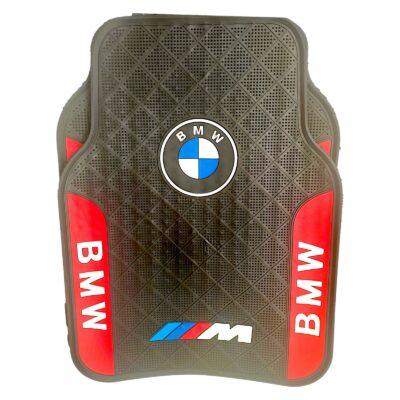
BMW M-Performance Heavy Duty Rubber Floor Mats

AGM vs EFB vs Standard Battery: What Is the Difference and Which One Does Your Car Need?
Not sure whether your car needs an AGM, EFB, or standard battery? This guide explains the difference between AGM vs EFB vs standard battery, which vehicles use each type, and why replacing like for like is usually the best approach. If you are buying a replacement battery in Kenya, understanding these battery types can save you money and help protect your vehicle.
What is a standard car battery?
A standard car battery, often called a flooded battery or maintenance free battery, is commonly used in vehicles without start-stop systems and with lower electrical demand. It is suitable for many conventional petrol and diesel vehicles where the manufacturer originally specified this battery type.
Standard batteries are usually more affordable than AGM and EFB, but they are not designed for the same level of cycling and repeated start-stop operation.
What is an EFB battery?
EFB stands for Enhanced Flooded Battery. It is an improved version of the standard flooded battery. EFB batteries are designed for vehicles with light to moderate start-stop use and better cycling performance than standard batteries.
If a car was designed for EFB, replacing it with a standard battery is generally not ideal because the standard battery may wear out faster and perform poorly in that system.
What is an AGM battery?
AGM stands for Absorbent Glass Mat. AGM batteries are built for high electrical demand, fast charge acceptance, stronger cycle durability, and advanced start-stop systems. They are common in many modern premium vehicles and cars with more complex electronics.
AGM batteries are usually the most advanced of the three and are often required in vehicles that originally came with AGM from the factory.
AGM vs EFB vs standard battery: the main differences
1. Vehicle compatibility
Standard batteries suit many non-start-stop vehicles. EFB batteries suit some start-stop vehicles with moderate battery cycling. AGM batteries suit advanced start-stop systems and vehicles with higher electrical demand.
2. Cycle durability
Standard batteries have the lowest cycle resistance of the three. EFB performs better than standard. AGM offers the strongest cycling performance and is best suited for repeated discharge and recharge conditions.
3. Charge acceptance
AGM batteries generally accept charge more efficiently than EFB and standard batteries. This makes them particularly useful in modern charging systems.
4. Electrical demand support
Vehicles with more electronics, start-stop systems, and premium comfort features often benefit from or require AGM. EFB sits in the middle. Standard batteries are best for simpler electrical systems.
5. Price
Standard batteries are usually the most affordable. EFB is typically more expensive than standard. AGM is usually the highest priced because of its more advanced design and performance.
Can AGM replace EFB?
In many cases, AGM can be used as an upgrade over EFB where the battery size and specification are correct, but the vehicle should still be checked properly first. AGM is generally more advanced than EFB. However, the safest choice is always to confirm the approved fitment for the specific vehicle.
Can EFB replace AGM?
Usually this is not recommended. If a vehicle originally uses AGM, replacing it with EFB may not deliver the required performance and may shorten battery life or affect system operation. Where AGM is required, it is best to stay with AGM.
Can a standard battery replace EFB or AGM?
This is generally not the correct approach. A standard battery is not built for the same cycling demands or charging strategy as EFB or AGM in many modern vehicles. Using a standard battery in a car designed for EFB or AGM can lead to poor performance, warning lights, and reduced lifespan.
How to know which battery your car needs
- Check the original battery type fitted to the car
- Confirm if the vehicle has start-stop
- Match the size, Ah, CCA, and polarity
- Consider the vehicle’s electrical demand
- Use your car’s exact make, model, year, and engine details
If your car came with AGM, stay with AGM unless a verified technical recommendation says otherwise. If it came with EFB, replace with EFB or an approved AGM upgrade if suitable. If it came with standard, use the correct standard specification unless the vehicle calls for something more advanced.
Which battery is best?
The best battery is not simply the most expensive one. The best battery is the one that correctly matches your vehicle. AGM is often the most advanced, but not every car needs AGM. EFB is ideal for many start-stop vehicles. Standard batteries are still correct for many non-start-stop cars. Choosing the right type matters more than choosing the highest price.
Need help choosing between AGM, EFB, and standard?
At Jemspark, we help drivers choose the correct battery type for their vehicle. If you are not sure whether your car needs AGM, EFB, or a standard maintenance free battery, contact us with your car details and we will help you confirm the right option.

About
Jemspark is a Kenyan online store specialising in genuine car batteries.
We focus on expert advice, competitive pricing, fast and reliable delivery across Kenya.
Secure Payment: Lipa na M-Pesa

Contact Us
Customer Service
Copyright 2026 © Jemspark Enterprises LTD. All rights reserved.